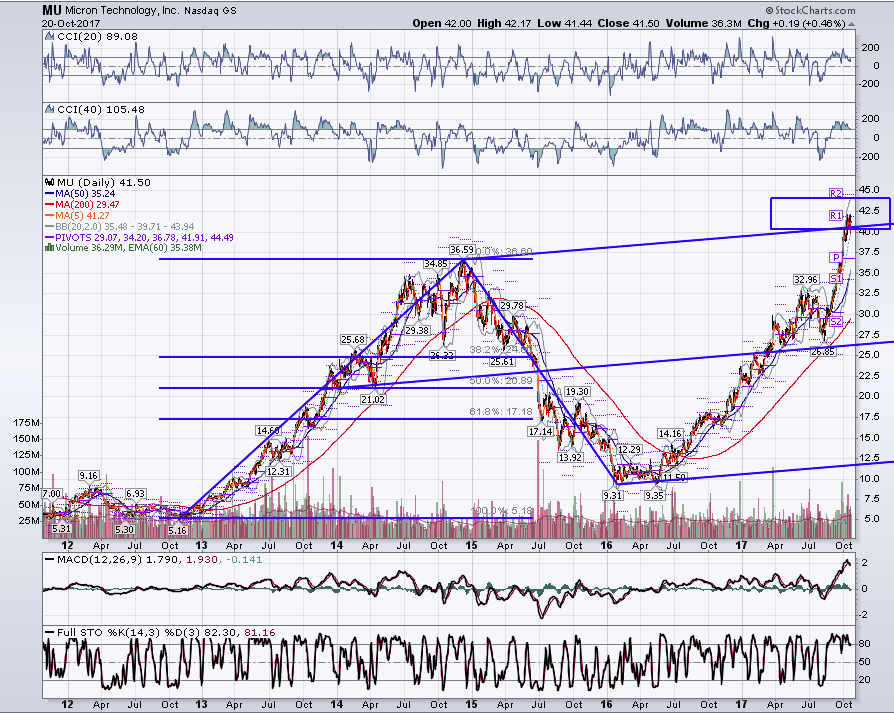
starting it off with MU
MA
MarcinO
Rep: 67
Posts: 5,506
The Cable is close to average (understood as median daily range) normal volatility this week, which can be helpful, but here is the thing.
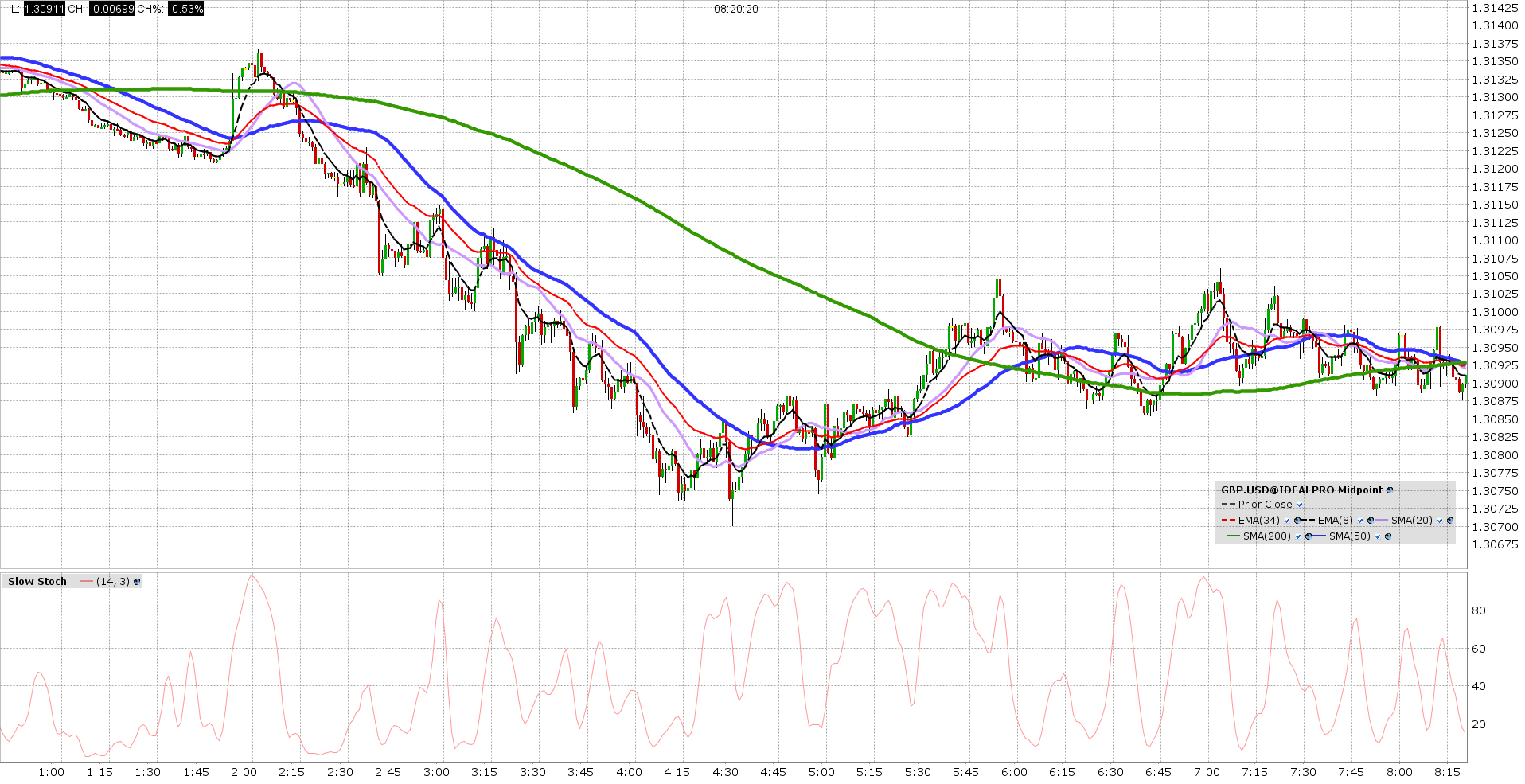
Right now most of major intra-day moves start early in the European session, or even before the London open. Usual start time now is between 2 and 4:30 A.M. EST and momentum of moves tend to decrease about an hour or two before the London closes (11:30 A.M. EST), which makes it hard for an American day trader to catch a really nice move. I am not trying to say that it is impossible, but for example this week, apart from Monday is was pretty easy - watch in which direction the Pound moves early in the morning, find safe entry point even on 1M time frame, and keep it at least till London close. Hopefully for you, there are a lot of days during which Cable reverses or at least ends major intraday correction between 6 and 7 A.M. EST and does not start to give a serious reaction until 8-9:30, which is usefull for Americans.
Referring to your another post, where you wrote about the rythm of Cable. You are absolutely right - this currency pair is very harmonic, there is a lot of order in the moves there, but once you learn to spot it you will notice, that times during which it follows its 'standard model' behaviour is limited so the next step is to learn subtelties (or exceptions) which tell you in advance that normal behaviour will be negated in advance. Which in turns let you close the position with smaller than expected one but still a profit and/or think about reversing your position.
By the way, I remember Jim saying that Cable and Aussie were his two favorites currencies due their outstanding harmonicity.
Keep posting your Cable charts, Al. As time permits I will be trying to comment on them if I have something useful to say.
Originally posted by albert
Marcin, Thank you for the kind words. I am finding the GBP.USD is more difficult to trade than I thought! My hat is off to you!
Al :--)
MA
MarcinO
Rep: 67
Posts: 5,506
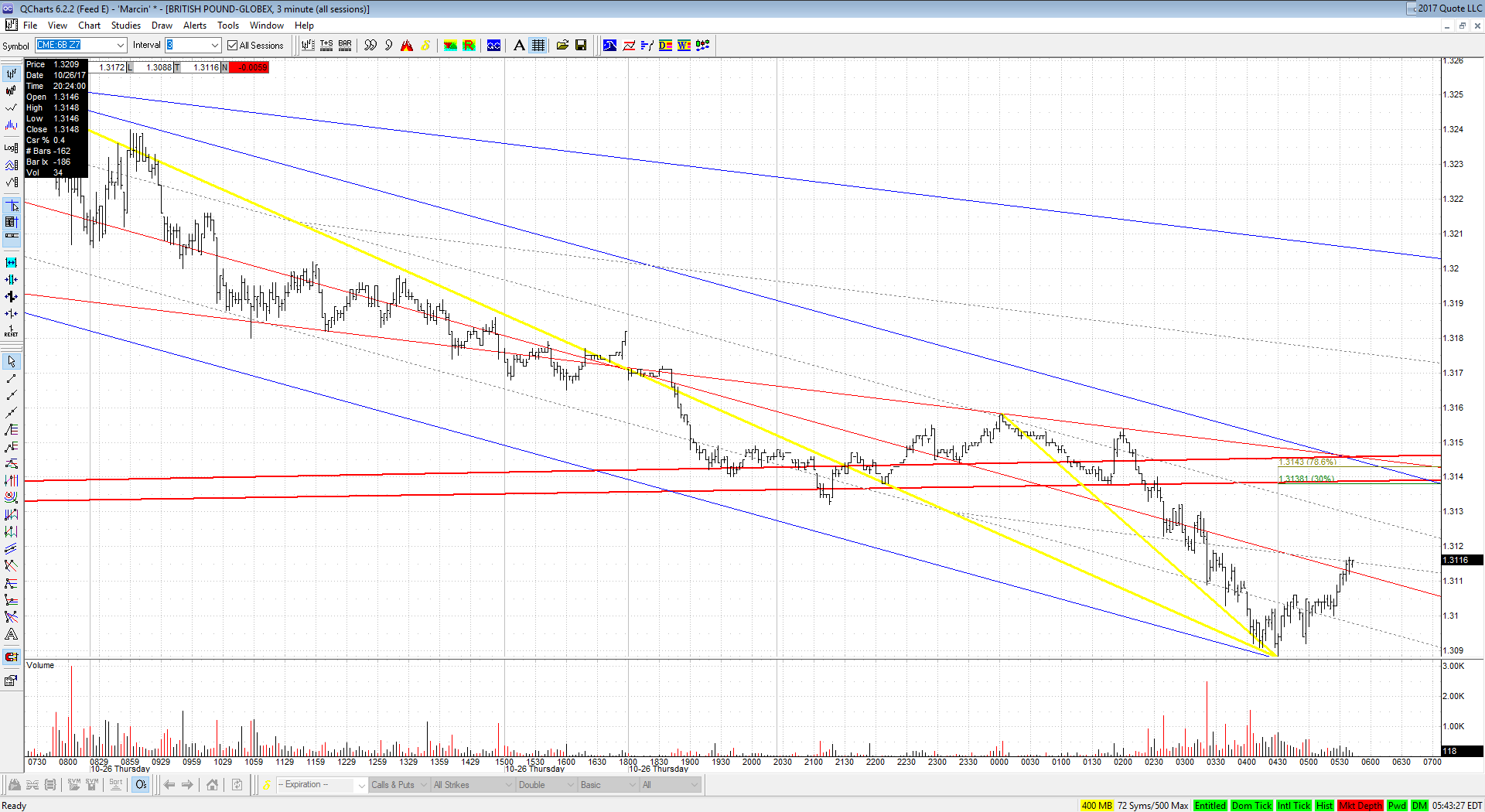
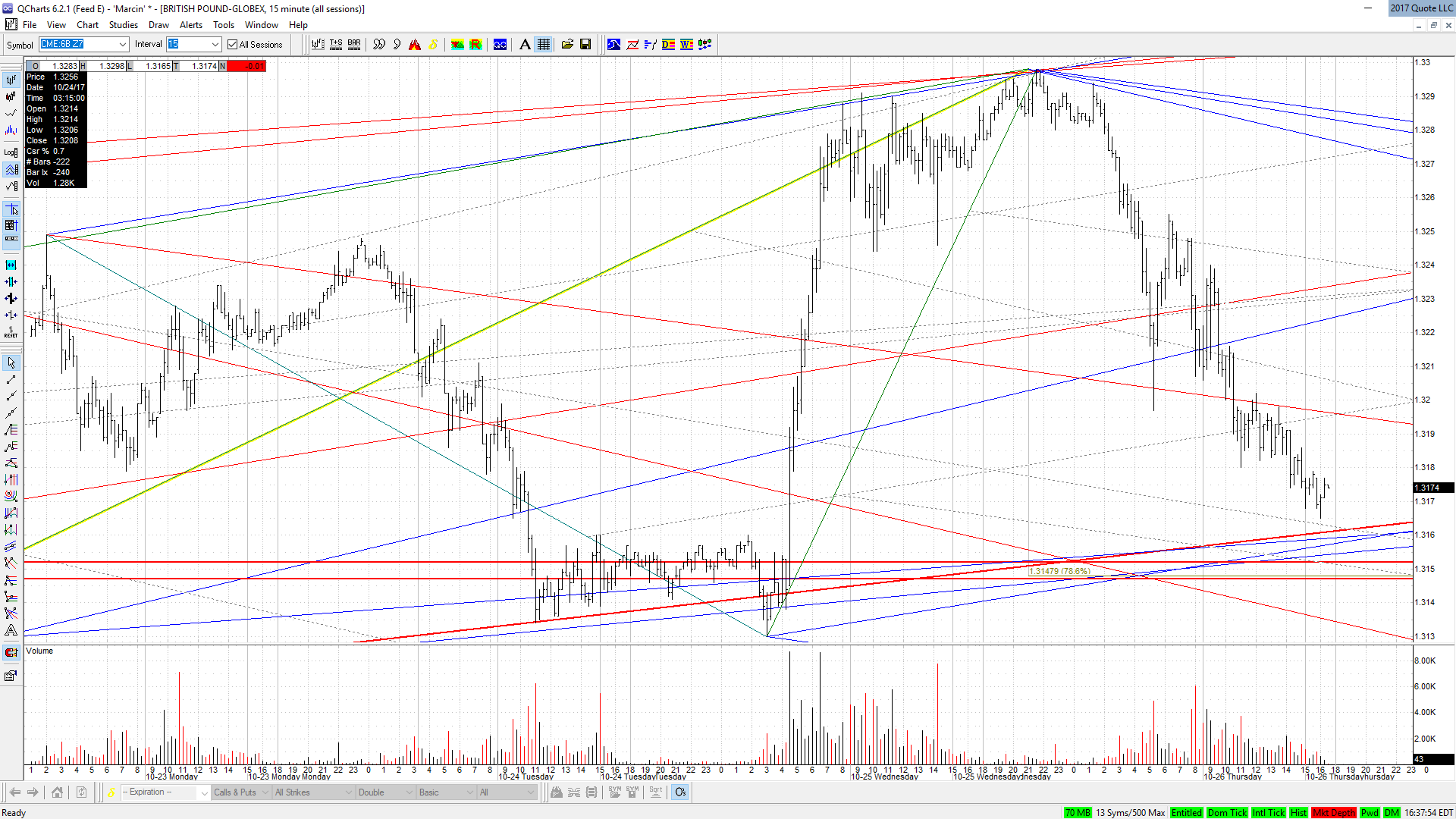
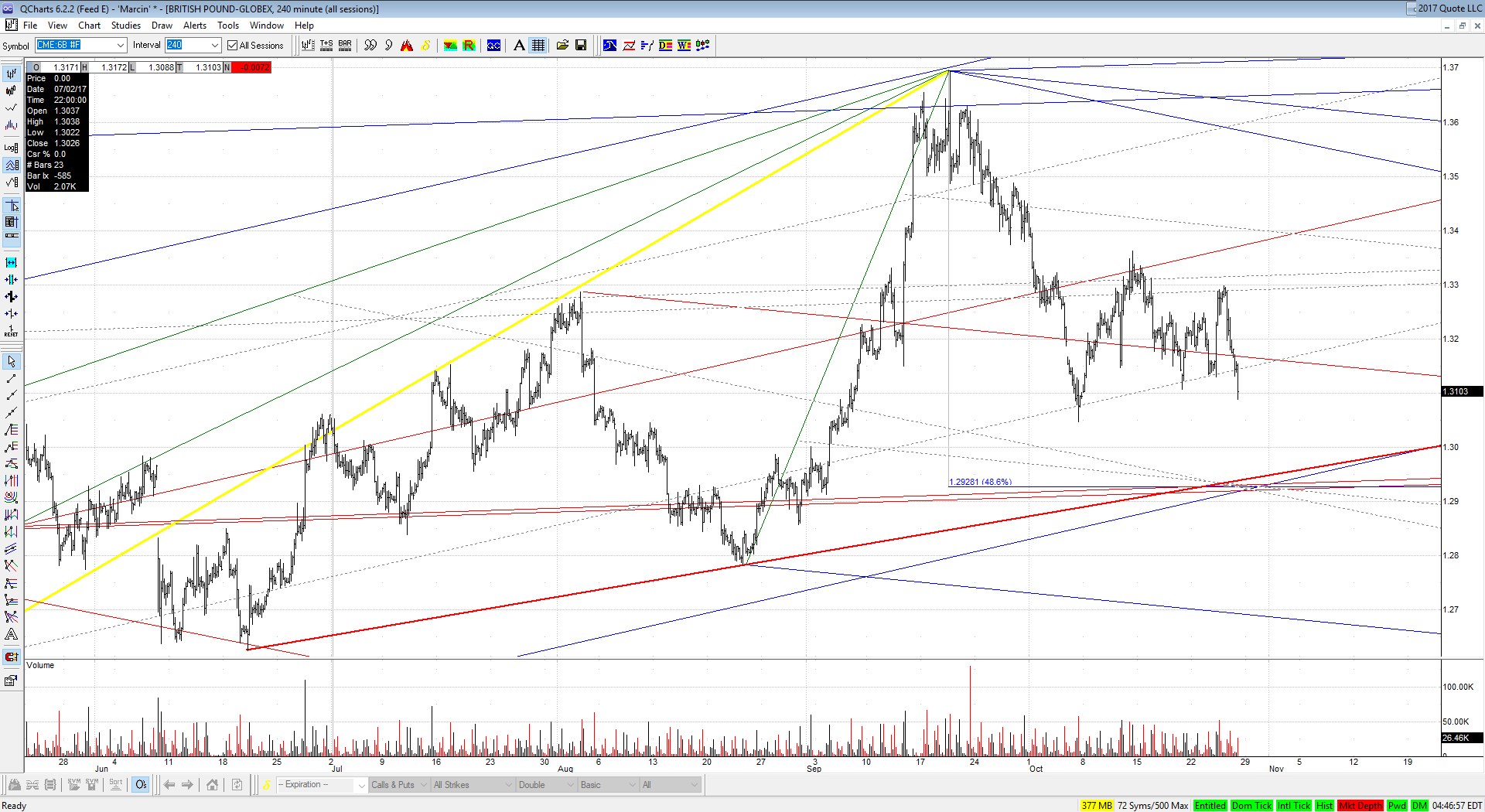
Pretty much as I wrote. Since Cable (6B Z7) broke below my area overnight and was heading down in the morning I went short.
I will place some support areas later during the day. Keep in mind though that US GDP data today may turn the startegy 'keep your position till European close' invalid, so be careful.
AL
albert
Rep: 99
Posts: 3,094
Marcin,
Thank you for your insightful comments and strategies. I will study your comments further and will see what I can manage! Thanks again for sharing, and Good Trading to you and to rat, two great traders, imo. Al :--)
Originally posted by MarcinO
The Cable is close to average (understood as median daily range) normal volatility this week, which can be helpful, but here is the thing.
Right now most of major intra-day moves start early in the European session, or even before the London open. Usual start time now is between 2 and 4:30 A.M. EST and momentum of moves tend to decrease about an hour or two before the London closes (11:30 A.M. EST), which makes it hard for an American day trader to catch a really nice move. I am not trying to say that it is impossible, but for example this week, apart from Monday is was pretty easy - watch in which direction the Pound moves early in the morning, find safe entry point even on 1M time frame, and keep it at least till London close. Hopefully for you, there are a lot of days during which Cable reverses or at least ends major intraday correction between 6 and 7 A.M. EST and does not start to give a serious reaction until 8-9:30, which is usefull for Americans.
Referring to your another post, where you wrote about the rythm of Cable. You are absolutely right - this currency pair is very harmonic, there is a lot of order in the moves there, but once you learn to spot it you will notice, that times during which it follows its 'standard model' behaviour is limited so the next step is to learn subtelties (or exceptions) which tell you in advance that normal behaviour will be negated in advance. Which in turns let you close the position with smaller than expected one but still a profit and/or think about reversing your position.
By the way, I remember Jim saying that Cable and Aussie were his two favorites currencies due their outstanding harmonicity.
Keep posting your Cable charts, Al. As time permits I will be trying to comment on them if I have something useful to say.
Originally posted by albert
Marcin, Thank you for the kind words. I am finding the GBP.USD is more difficult to trade than I thought! My hat is off to you!
Al :--)